The Strait and the Trap
The Strait and the Trap
All essays and notes are free. Join for the deeper work.
The Strait and the Trap
Thucydides told us that wars start from three things. Fear. Honour. Interest. He wrote that about Athens and Sparta twenty-four hundred years ago and nothing has changed because nothing can.
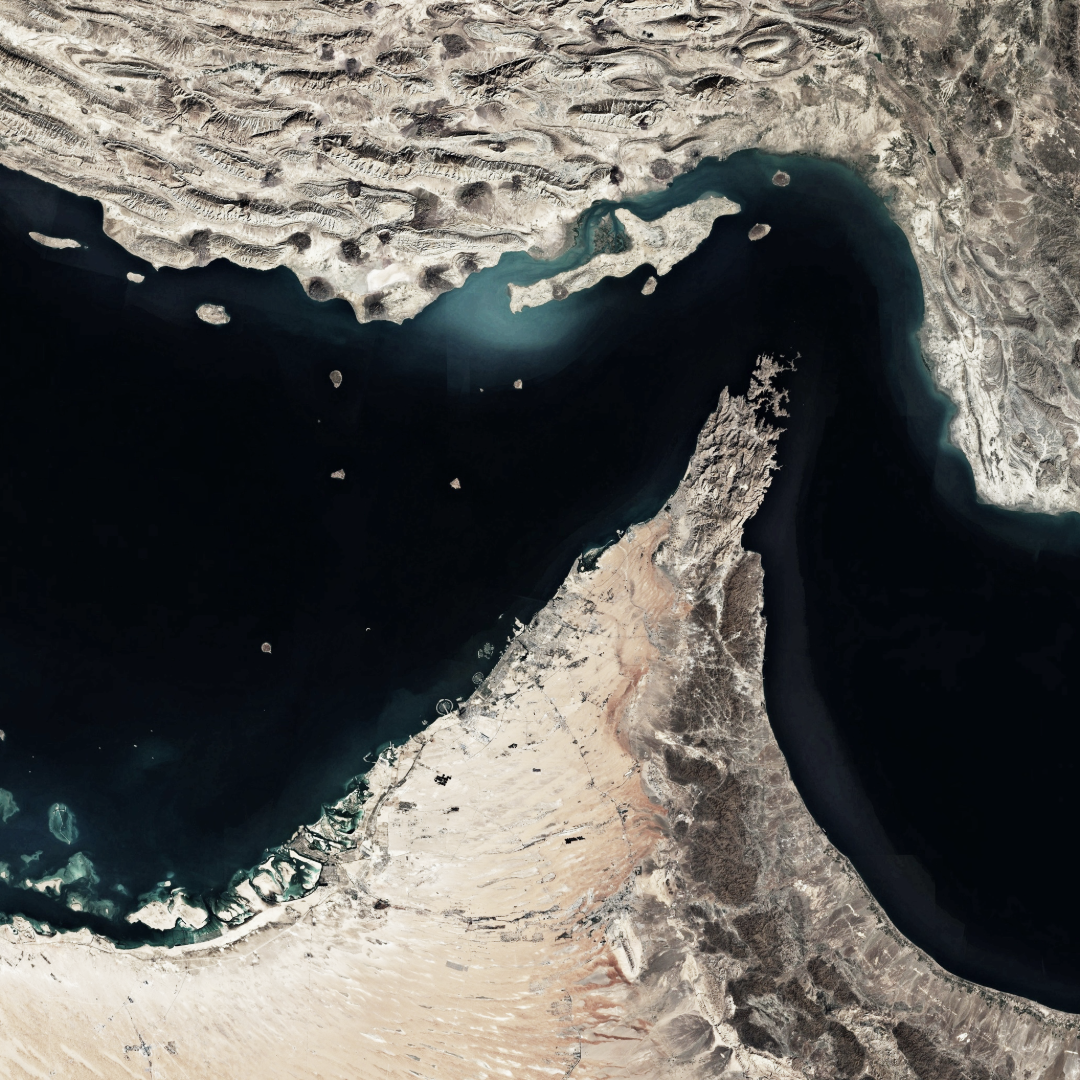
On the twenty-eighth of February the United States and Israel struck Iran. They killed the Supreme Leader. They hit military sites and government buildings and civilians. Iran struck back with missiles and drones against Israel and US bases and Gulf states that host American forces. And then Iran did the one thing that mattered more than any of it. It closed the Strait of Hormuz.
Or rather it did not close it. It did not need to. Iran harassed about twenty ships with cheap drones and the insurance premiums went so high that nobody could afford to sail. That is all it took. Twenty-one nautical miles of water. One fifth of the world's oil. Shut down not by a wall or a fleet but by the price of risk.
Before the war Brent crude sat at sixty-five dollars a barrel. By early April it touched a hundred and twenty-eight. The sharpest rise in oil prices in nearly forty years. Gulf exports fell forty-four percent in March. Wells were shut. Tankers sat at anchor. More than a hundred countries raised prices at the pump. American gasoline crossed four dollars a gallon. Diesel hit five sixty-two.
On April 8 a ceasefire came. Two weeks, brokered by Pakistan. Oil dropped sixteen percent in a day. Then the ceasefire cracked. Israel said the truce did not cover Lebanon. Iran shut the strait again. Talks in Islamabad failed after twenty-one hours. Trump announced a naval blockade of Iranian ports. Brent climbed back above a hundred. By Monday it settled near ninety-nine as both sides talked about talking again.
The United States has the bigger navy. The better ships. The stronger air force. It sent two destroyers through the strait last week and neither one could sweep mines. The ships that can clear mines are in Singapore and Diego Garcia. France and Britain announced their own mission to reopen the passage. Separate from the war. Five to seven hundred ships sit stranded in the Gulf. Transit is still below ten percent of what it was before the war started.
But military strength is not the same thing as strategic advantage. The US is fighting in tactics. Destroyers through the strait. Blockade announcements. Minesweeping claims. Iran is fighting in strategy. It let friendly nations through on its own terms. Iraq got passage. Pakistan got crossings as payment for brokering talks. China and India got just enough to keep them from turning hostile. And Iran kept exporting its own crude the whole time.
Iran's parliament is now drafting a law to make passage through Hormuz not a right but a paid privilege. They want to keep this power after the war ends. And that tells you everything about where the real thinking is. The strait is more useful than the nuclear programme ever was. A bomb is a threat you can never use. The strait is a threat you use every day simply by deciding who sails and who does not. Iran did not need to win on the battlefield. It needed to win the position. And it has.
This is where Thucydides matters most. He understood that the trap is not the war. The trap is the structure that makes the war inevitable and the peace impossible. Athens could not stop growing. Sparta could not stop fearing. And neither could walk away because the strait between them was where the money flowed.
One narrow passage. No redundancy. Absolute dependence. And now a country that has learned it can hold the world's economy by the throat with twenty drones and an insurance market.
The ceasefire expires on April 22. The structure will not.