Notebook
Independent essays on geopolitics, political economy, sovereign debt, physical infrastructure, and global economic power.
What the Quota Cannot Count
The EU agreed to cap Chinese hybrid imports at 350,000 a year. This essay shows why the quota leaves China’s weak household demand and Europe’s high energy and diesel costs untouched.
The End of Free Money: How Sovereign Debt Became the Central Risk to the World Economy
Ten years of near-zero interest rates hid the cost of record public borrowing. Today high interest bills, slow growth and war make sovereign debt the central risk to global stability.
The Price Nobody Pays
Brent crude prices tell only part of the oil shortage story. War, shipping costs and scarce refining capacity widen the gaps between headline benchmarks, physical cargoes and wholesale diesel prices.
What Washington Sees
Ukraine's air defense depends on American missile warnings, Starlink bandwidth and Patriot interceptors. Washington's control of these systems shapes Kyiv's defense and limits Ukrainian pressure on Russia during the war.
World Inequality
The richest tenth of the world's adults own about three quarters of its personal wealth. The poorest half own about two per cent. Between those figures lies a difference that income alone cannot capture.
What Did the Iraq War Achieve?
Twenty-three years after the United States invaded Iraq, American forces have left the country. The withdrawal completed at the end of September closes the latest stage of an American military involvement that was not continuous: the main force withdrew in 2011 and troops returned in 2014 after Islamic State seized large parts of Iraq.
America Does Not Have a Foreign-Capital Problem. It May Have a Treasury-Demand Problem
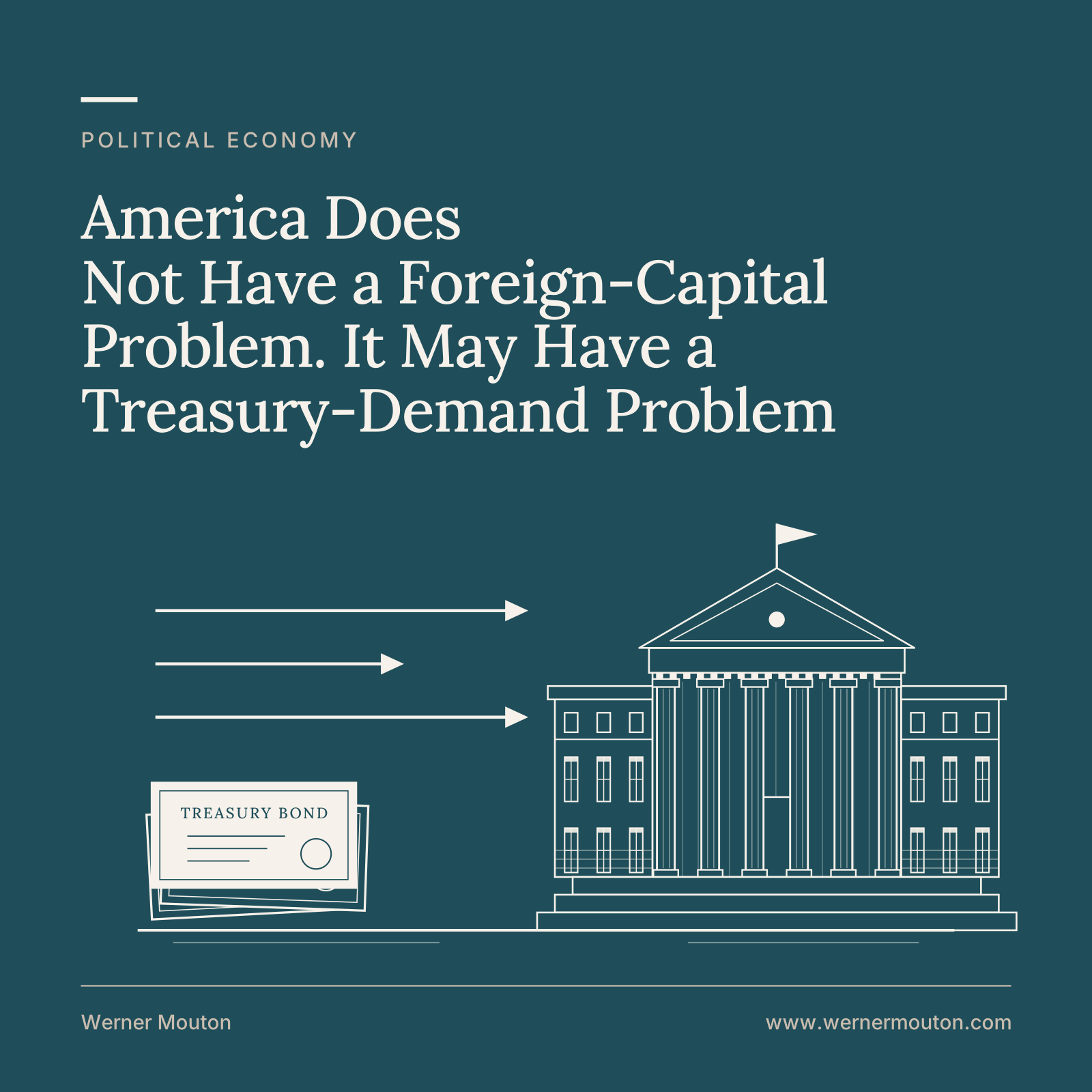
Foreign money is still flowing into the United States. The more interesting question is what foreigners are buying. Over the past year they have poured money into American shares and corporate bonds while their purchases of U.S. government debt have fallen sharply. This is not evidence of a flight from America.
Neoliberalism, Neofascism and Who Holds Power
I began with a question: are neoliberalism and neofascism the same thing? Reading Robert W. McChesney, I came to see that his argument was not that they are the same. They begin from different beliefs and they use different language, but they can serve the same interests, and the weakening of democracy under one can leave the ground open for the other.
We Need to Watch the AfD in Germany
That is why the AfD needs close attention. Not because Germany is fated to return to its past and not because every person who votes for it can be reduced to one motive, but because a party with this much support can change a country long before it takes control of a government.
The World Turns Inward
I read an essay this morning about the end of the American-led world. Its argument stayed with me because it gave a larger shape to things that can look like separate stories in the news: tariffs, hostility to immigration, demands to bring factories home, arguments over energy, rearmament and the growing distrust between allies.
Germany’s Workers Are Being Asked to Pay for Its Industrial Crisis
In 2023, Germany’s GDP contracted by 0.9%. In 2024 it contracted by 0.5% and barely grew in 2025 when GDP expanded by 0.2%. The German economy has spent three years in contraction and stagnation.

A Quota Cannot Open a Strait
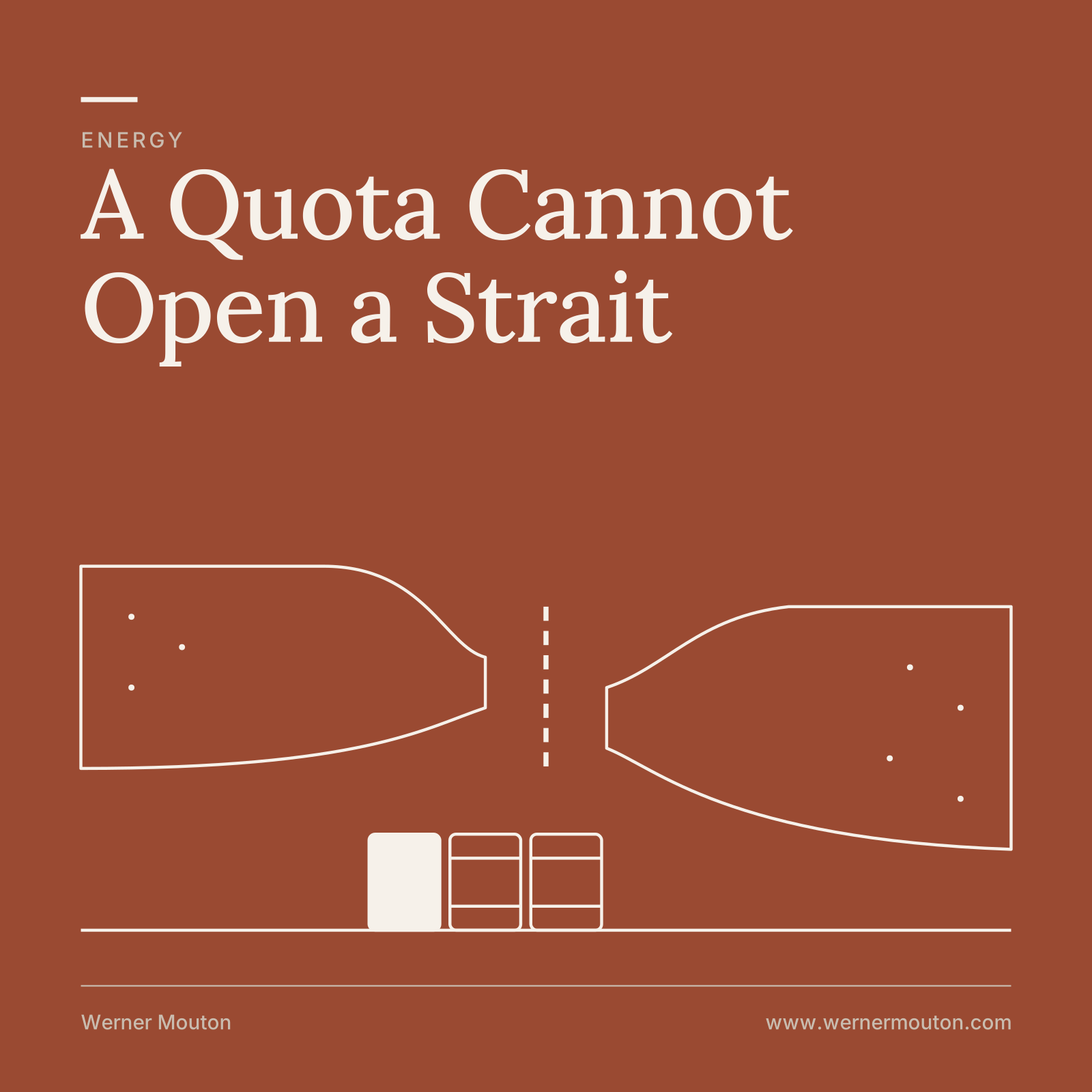
OPEC+ can raise oil quotas, but it cannot reopen the Strait of Hormuz. Trump, Iran, war and shipping routes determine whether oil reaches households—and at what price across the world.
What SpaceX Is
SpaceX’s own filings reveal a private company deeply embedded in US military, intelligence and government infrastructure through satellite launches, secure communications, surveillance, sensing, targeting and long-term public contracts and programmes.
SpaceX’s First Lock-Up Test
On Thursday, 6 August, about 911.5 million SpaceX shares held by employees and early investors will become eligible for sale.
America Is Fighting for Energy Control
America's war with Iran has evolved into a struggle over energy control. This essay examines Hormuz, sanctions, pipelines and how power comes from shaping global oil flows, not ownership alone.
AI Does Not Belong to America
Bernie Sanders wants Americans to own half of major AI companies, but global knowledge complicates national claims and raises deeper questions about ownership, public wealth, borders, and power in technology.
Argentina Found Another Source of Dollars, but the Risk Did Not Disappear
Argentina can raise up to $2 billion from commercial banks through World Bank and MIGA guarantees, lowering near-term costs while leaving the country responsible for repaying the debt over time.
When Trust Becomes a Risk
Countries can work with a president they dislike. They cannot organise defence, trade, finance and diplomacy around a government whose commitments may change without warning.
Humanity, According to America
AI draws on centuries of global knowledge, yet American firms and politicians treat its wealth as a national asset, leaving most of humanity outside the settlement they invoke for themselves.