America Is Fighting for Energy Control
America Is Fighting for Energy Control
America Is Fighting for Energy Control
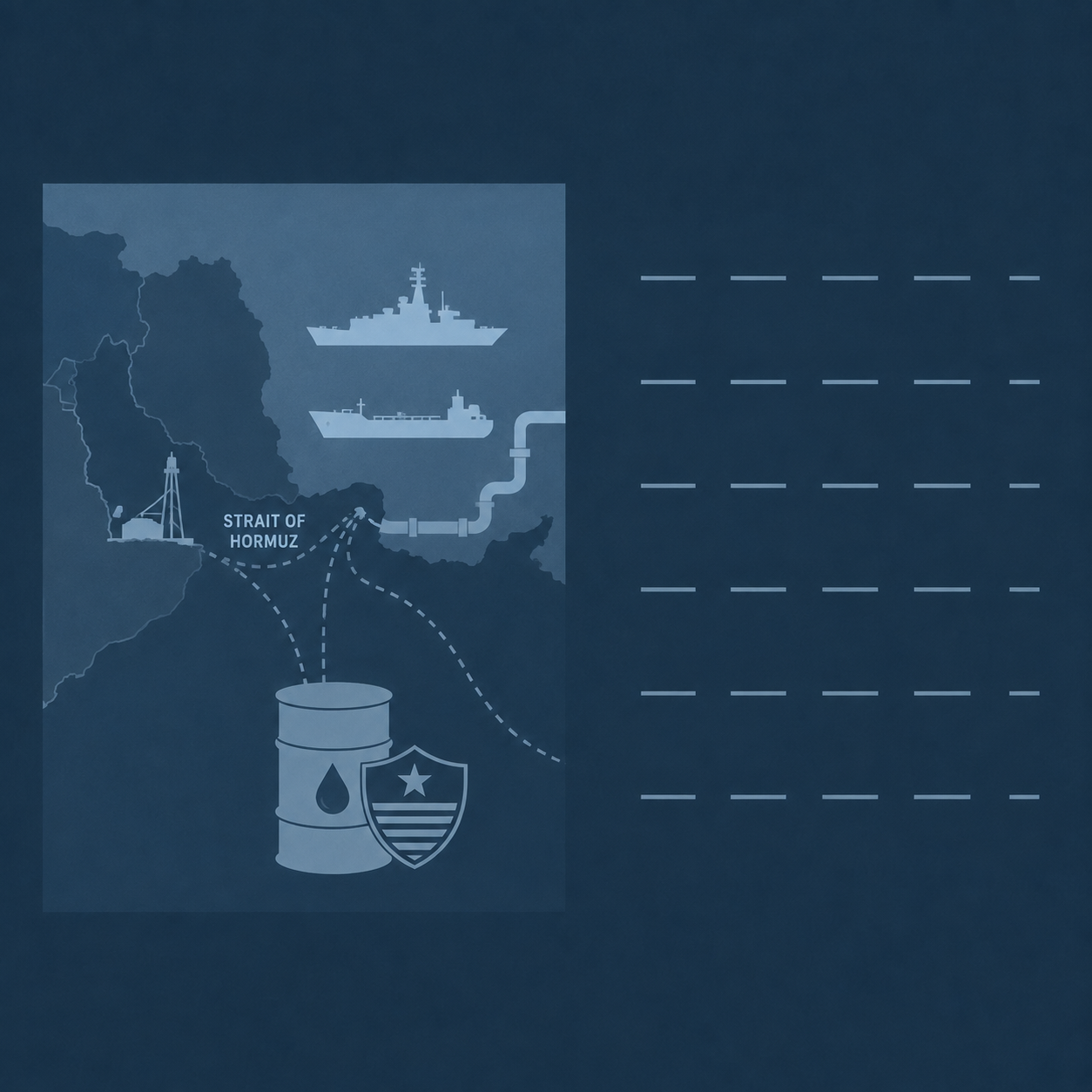
The United States says the Iran war began because Iran threatened the world with nuclear weapons, missiles and armed groups across the Middle East. Those aims were real parts of the first military orders. But five months of fighting have changed the shape of the war. The Strait of Hormuz now sits at its centre. American strikes, blockades, sanctions and negotiations keep returning to the same question: who will control the routes through which Middle Eastern oil and gas reach the world?
This is not simply a fight over who owns the oil beneath Iranian soil. Modern power lies further along the chain. A barrel in the ground has little value until someone extracts it, insures it, loads it, moves it through a safe route, receives payment and converts that payment into usable money. A country that controls those steps can shape the choices of producers without owning their fields. It can decide which barrels move, which remain stranded, which buyers receive them and which governments receive the revenue.
The Trump administration had already built this idea into its policy. It created a National Energy Dominance Council in 2025 and placed its chair on the National Security Council. The council joined energy policy to defence, diplomacy, trade and finance. The National Security Strategy then named the prevention of hostile control over Middle Eastern oil, gas and chokepoints as a vital American interest. It also said American energy exports could weaken rivals, deepen alliances and allow the United States to project power.
The later threats against Iran therefore did not appear from nowhere. Trump said the United States could “take the oil” and make a fortune. He threatened to seize Kharg Island and other energy sites and assume “total control” of Iran’s oil and gas markets. He compared this plan with Venezuela, where his administration had already said it needed to control oil sales and revenue for an indefinite period. The words were crude, but the goal was clear. Oil would become a means of political control.
Kharg Island matters because it is Iran’s main oil export hub. Taking it would do more than damage an enemy asset. It would allow an outside power to decide whether Iranian oil could leave, who could buy it and where the money would go. Washington would not need to remove Iran’s government. It could leave the state standing while stripping it of much of the income and freedom that allow it to act. Control of the terminal could achieve more than a coup because it could outlast a change of leader.
The Pentagon’s actions sharpen the point. It created Project Freedom as a separate operation to reopen Hormuz and place commercial shipping inside an American military corridor. The United States deployed warships, more than 100 aircraft and about 15,000 service members around the route. The Pentagon said merchant ships would see, hear and feel American combat power as they passed. By July, Energy Secretary Chris Wright said the mission had pivoted towards moving oil and gas through the strait with or without Iranian cooperation.
That is not merely the defence of ships. It places energy trade inside an American security system. Tanker owners, insurers, producers and buyers must follow routes protected and approved by Washington. The Treasury then adds another layer. It sanctions tankers, insurers, payment channels and companies that help Iran sell oil or charge vessels for passage. Military power controls the route and financial power controls whether the cargo can enter the legal market. Each part strengthens the other.
The war is also changing the physical map. Saudi Arabia has pushed more oil through its East-West pipeline towards the Red Sea. The United Arab Emirates is expanding its route to Fujairah outside Hormuz. Israel has proposed a pipeline from Saudi Arabia to Eilat and then through its existing line to the Mediterranean. Iraq is studying routes towards Turkey, Syria and Jordan. These projects serve several governments, but they share one result: they reduce Iran’s power over the flow of Gulf energy and move that power towards states aligned with Washington.
The United States also enters this struggle from a position of abundance. It produces record amounts of oil and gas and has become a major exporter of crude, fuel and liquefied natural gas. When Hormuz closes, buyers seek American supply. US net petroleum exports reached a record during the disruption. American producers gained market space, but consumers still paid the global price. Energy independence did not free the country from the world market. It gave Washington more power inside it.
The costs fall unevenly. Gulf producers must spend on pipelines and defend longer routes. Asian importers face higher prices, delays and weaker bargaining power. American exporters gain customers, while American households pay more for petrol and transport. Iran loses revenue and room to move. The order does not remove risk. It decides who carries the risk, who receives protection and who may charge for it.
There is still an important line between protecting navigation and taking another country’s resources. Keeping an international waterway open can serve many states. Seizing Kharg Island to control, sell or profit from Iranian oil would be something else. International law does not treat oil as lawful spoils of war. Trump’s language crosses that line even when official military statements avoid it. The gap between his threats and the Pentagon’s legal wording may determine what happens next.
The evidence does not show that oil was the only cause of the war. Iran’s nuclear work, missiles, navy and regional forces remain real military targets. But the war has developed a wider organising aim. America now seeks to remove Iran’s power to close, tax or shape the circulation of Middle Eastern energy and replace it with a US-backed order of military protection, sanctions, approved finance and alternate pipelines.
That is energy dominance. It does not require America to own every barrel. It requires America to shape the world in which every barrel must move.
Thank you for reading. If you find this work valuable, you can help make more of it possible by becoming a member.