Notebook
Essays and notes on political economy, books, history, and the forces that shape how people live.
America Is Fighting for Energy Control
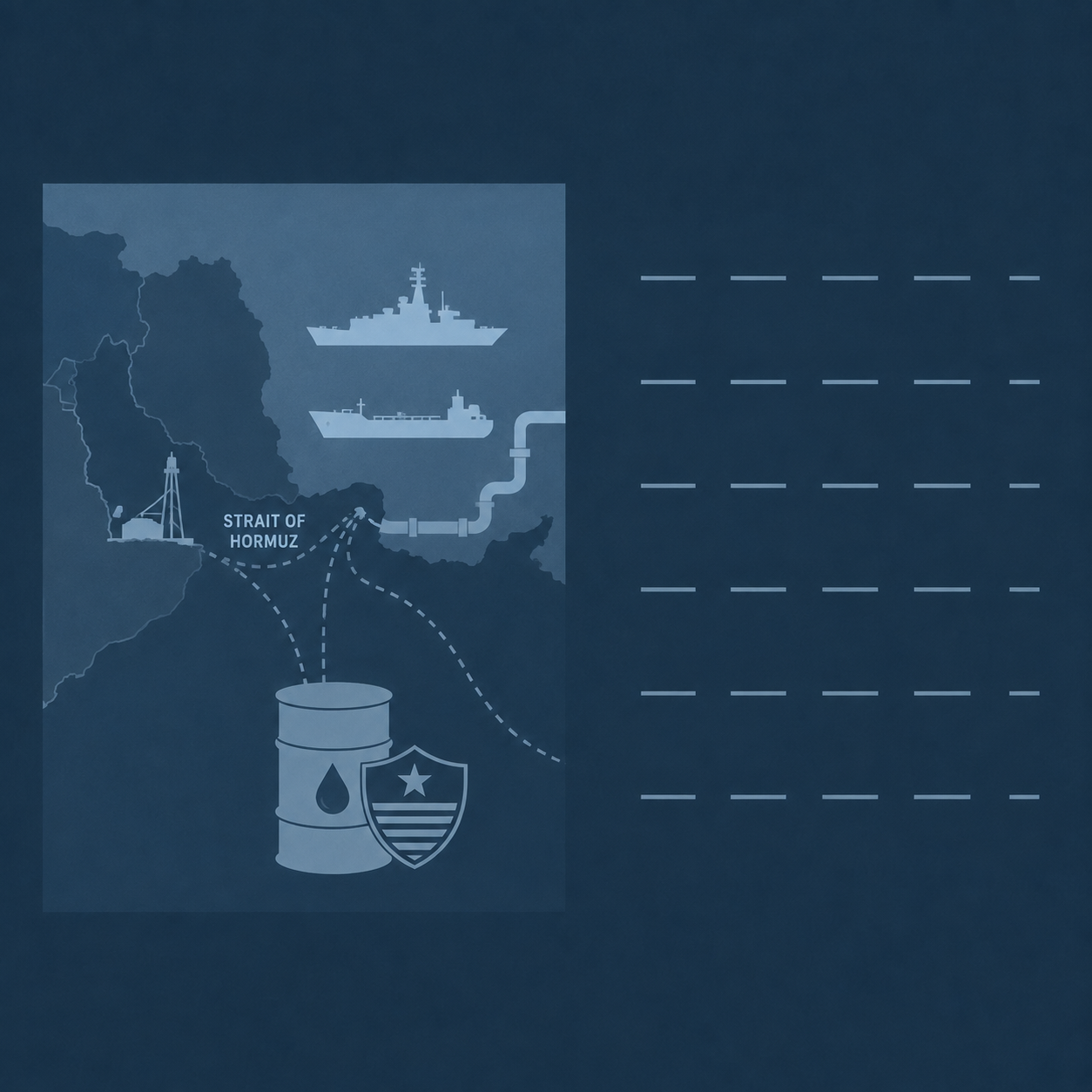
America's war with Iran has evolved into a struggle over energy control. This essay examines Hormuz, sanctions, pipelines and how power comes from shaping global oil flows, not ownership alone.
Two Republics, Part One: Mourning
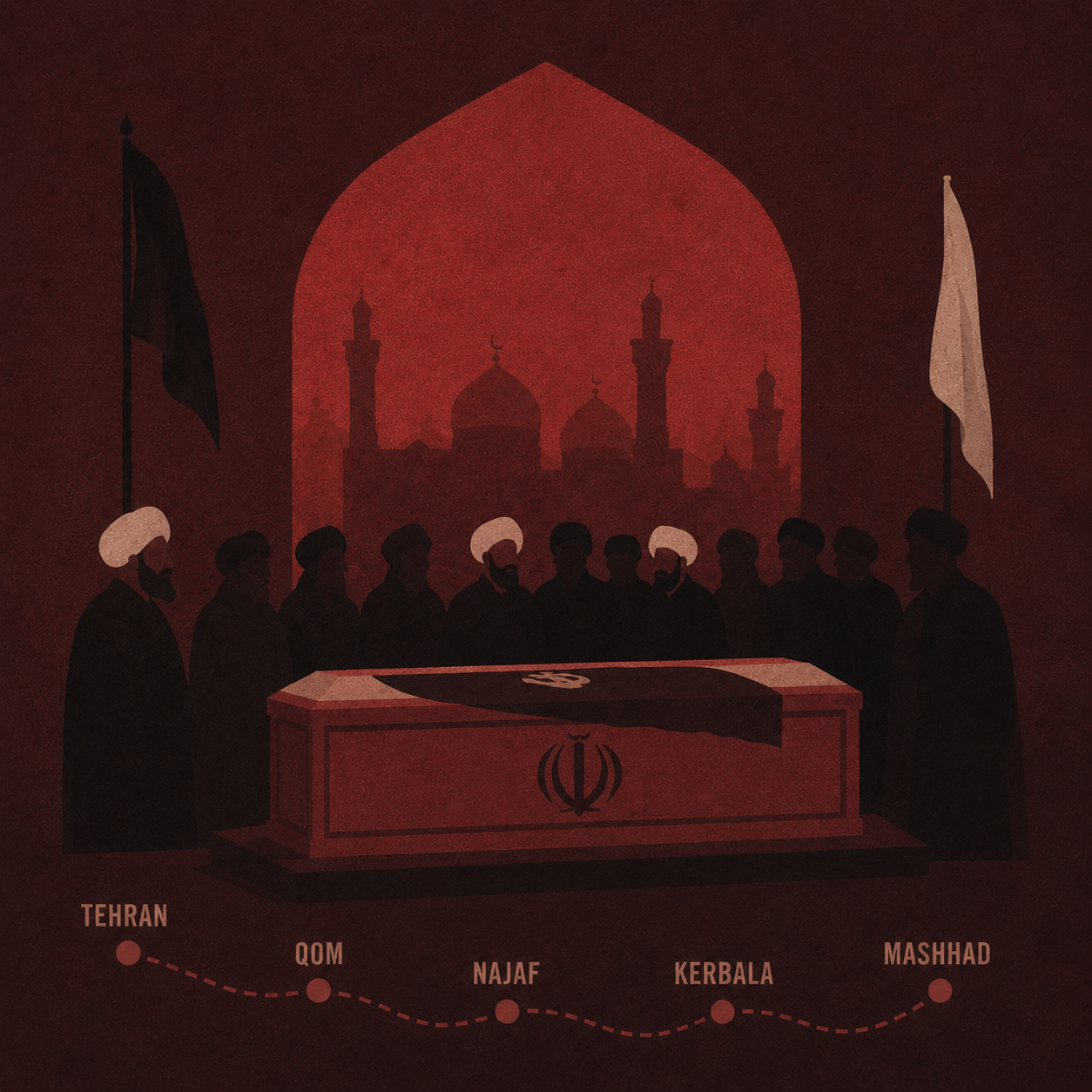
Iran’s state funeral for Ayatollah Khamenei reveals how political power uses ritual, mourning, and public ceremony to project continuity, legitimacy, and authority after war, succession, and uncertainty.
Below the Level of Shelter
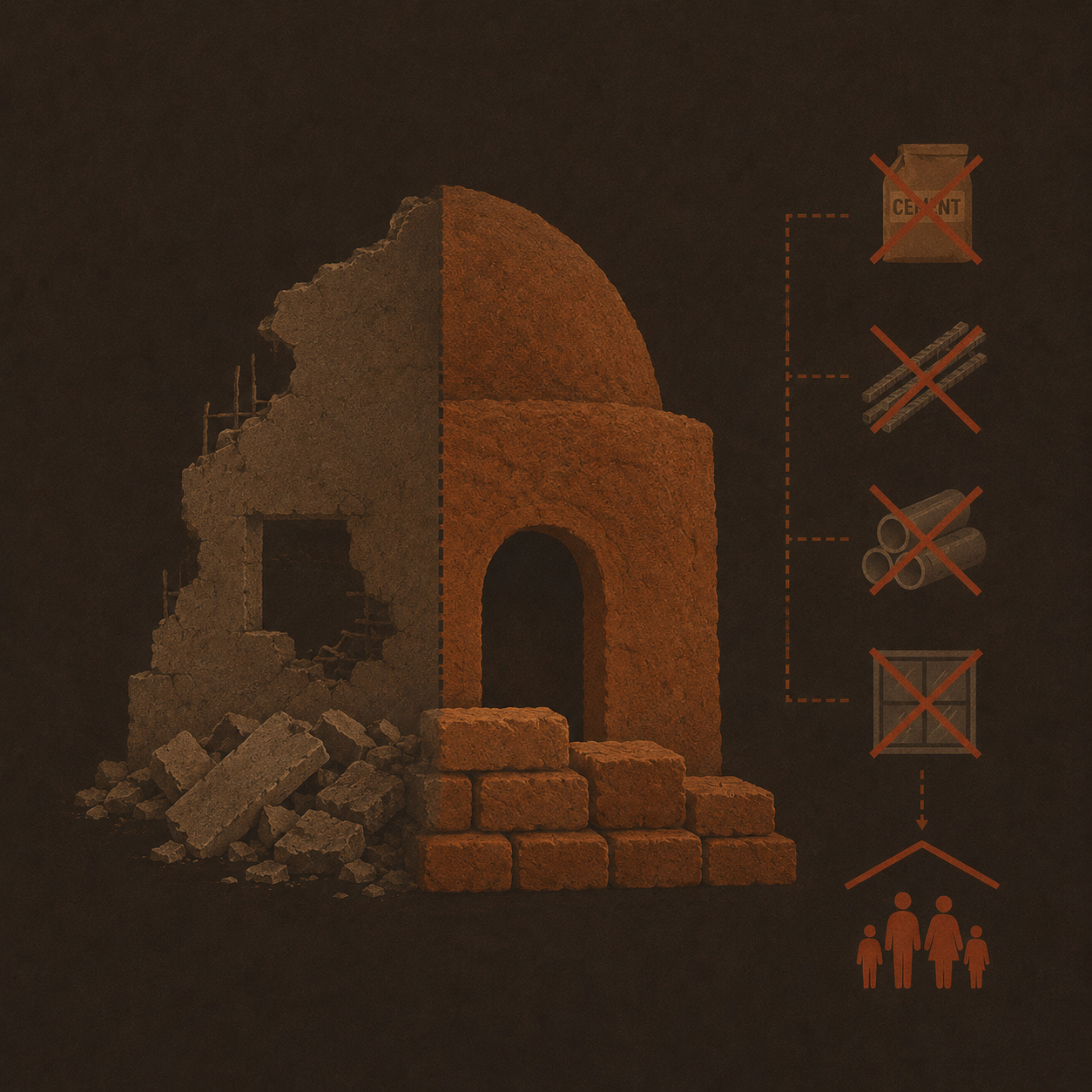
A note on Gaza, shelter, and the politics of blocked materials, where clay, rubble, ash, and glass show what it means to live below the level of infrastructure.

War Enters the Balance Sheet
Energy shocks from war become balance‑sheet and budget problems rather than battlefields. World Bank downgrades mark long‑term damage. Rich countries absorb costs while poorer ones face deficits and austerity.
The Combatant as Mediator
Trump’s claim to mediate the Iran‑Israel war is mocked: the United States is a combatant, conducting strikes and widening the conflict. Combatants cannot mediate; their rhetoric conceals their role.

The War in the Sentence
Washington insists the Iran war is over even as Hormuz remains threatened and oil spikes. The note contrasts this declaration of peace with realities in shipping lanes and markets.

Oil and the Cost of Passage
After threats in the Strait of Hormuz, oil prices spiked. The note says the real story is the cost of passage—narrow waterways, naval power, insurance and risk—not simply the price.
Trump and Iran
The note exposes the hollowness of Trump’s “ceasefire” claim: U.S. forces bombed a girls’ school, blockaded ports and issued threats; there is no ceasefire, only rebranded war.
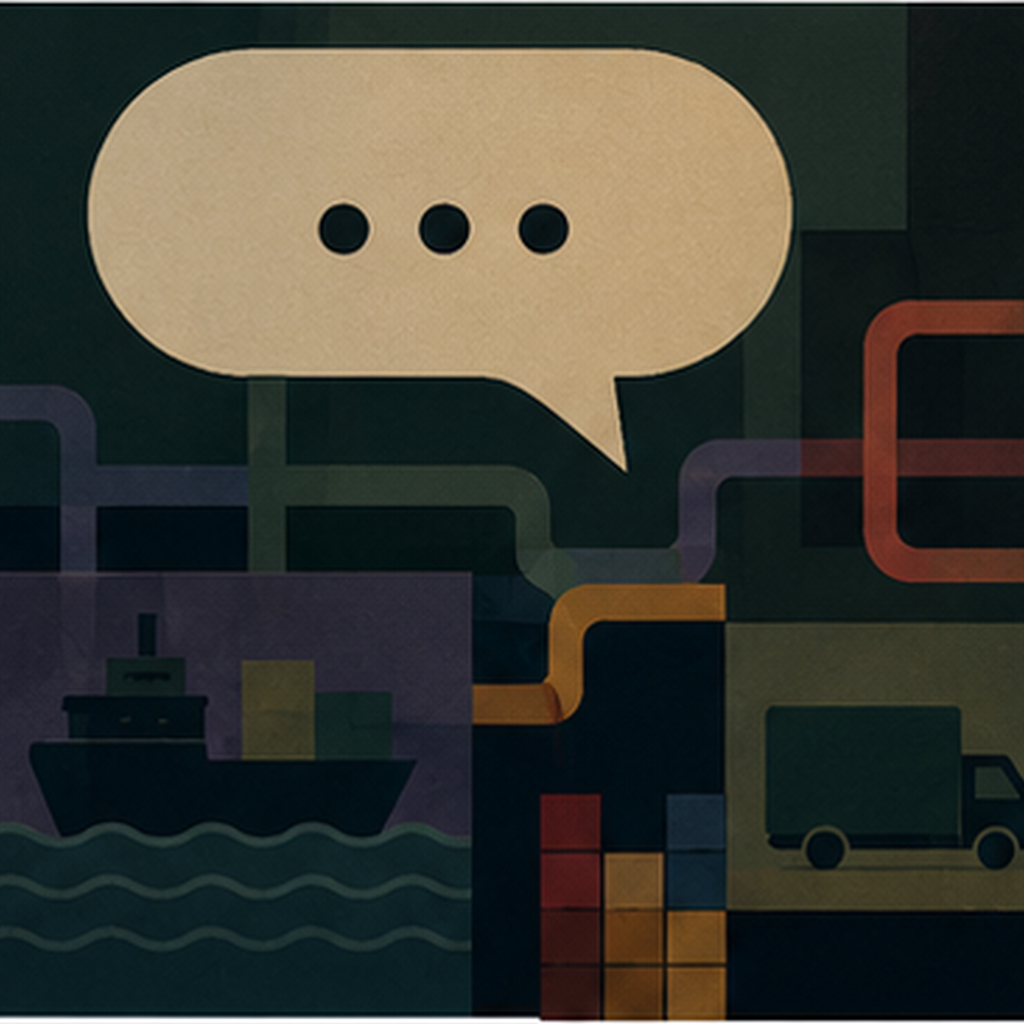
Politicians say nothing
This essay lambasts Starmer and Macron’s empty Iran‑war rhetoric: they promise a “multilateral” mission to reopen Hormuz only after Trump ends the war, taking no action as Gaza suffers.
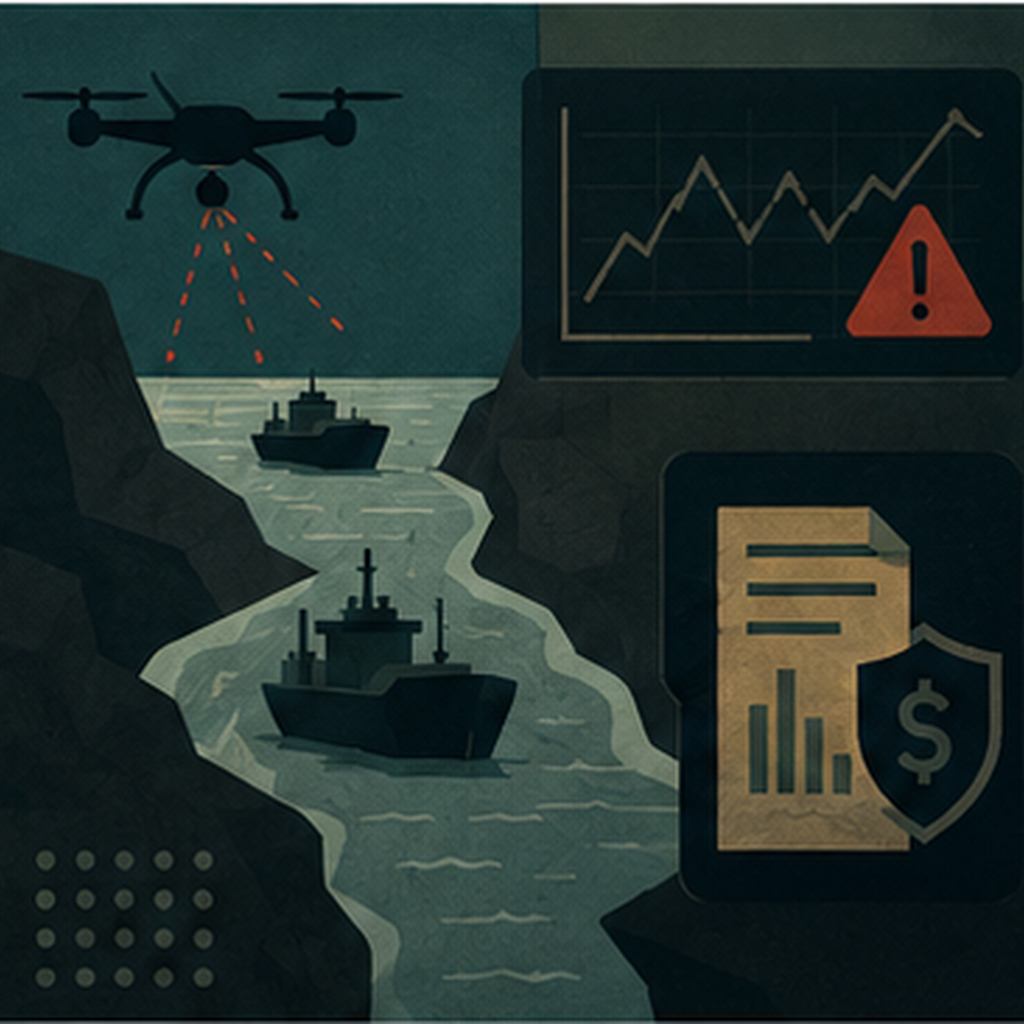
The Strait and the Trap
Invoking Thucydides, the essay shows Iran’s harassment of ships in the Strait of Hormuz turned insurance risk into strategic leverage after US‑Israeli strikes, revealing a structural trap beyond military strength.