Culturalism and Capital
Culturalism and Capital
Samir Amin warned that when capitalism's promise of universal progress fails, the system defends itself by naturalizing inequality.
Instead of questioning the structures that produce poverty and domination, it blames culture.
This move, what Amin calls culturalism, treats cultural differences as fixed and fundamental, as though they explain why some societies thrive while others suffer. The real causes (debt, extraction, imperial violence, capital flows) disappear from view.
This logic has hardened in 2026. Contemporary nationalism sells a story about incompatible civilizations, about peoples unsuited to democracy or development, about protecting "our way of life" from contamination. These arguments essentialize difference to justify exclusion.
They make inequality look natural rather than organized. When peripheral societies remain poor, culturalism says: their culture failed them. When core societies polarize, nationalism says: immigration destroyed us. Both moves avoid the same question: what is capitalism doing to human life?
Culturalism isn't just wrong; it's functional. It deflects attention from structural violence and turns political economy into a question of identity. The mechanism works across contexts. In the global South, it pathologizes societies trapped by debt and underdevelopment, attributing their condition to cultural backwardness rather than colonial legacy and continuing extraction.
In Europe and North America, it transforms the dislocations of deindustrialization, austerity, and financialization into narratives of civilizational decline caused by migration and multiculturalism. The underlying dynamic (capital's search for profit at the expense of human security) remains unnamed.
The language spreads across the spectrum. A left abandons universalism out of deference to cultural specificity, treating identity as inviolable and solidarity as suspect. A right weaponizes cultural difference to justify cruelty, surveillance, and exclusion. Neither threatens capital. Both accept the premise that cultures, not systems, determine outcomes. The result is a politics that fights over symbolic recognition while material power concentrates unchallenged.
Amin argued that modernity's emancipatory project (reason, secularism, democracy, the principle that human beings make their own history) has been colonized by capitalism and must be recovered. He insisted that universal values need reinvention, not abandonment. This isn't nostalgia for Enlightenment Europe. It's recognition that without shared terms for justice, ecology, and survival, we're left with civilizational rivalry and permanent war. The alternative requires confronting capitalism's role in producing the very differences that culturalism declares natural and immutable.
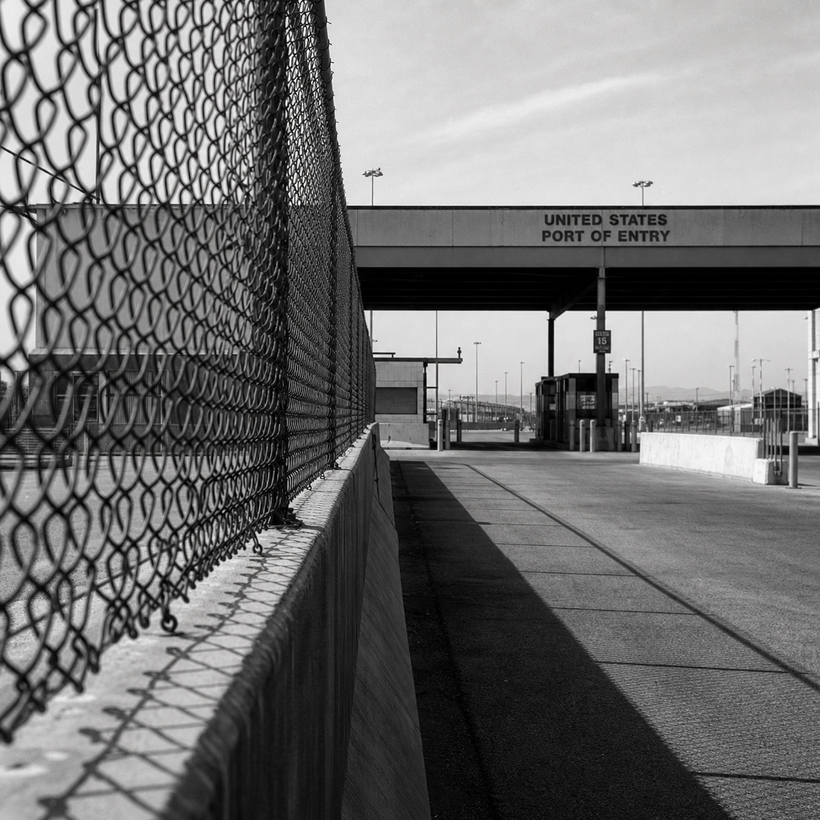
The stories being sold now prepare the ground for violence. They divide people along lines that don't threaten the system. They make borders sacred and solidarity impossible. They turn crisis into fate, presenting ecological collapse and economic polarization as the inevitable clash of incompatible ways of life.
Amin's critique matters because it names the mechanism: culturalism obscures material forces, essentializes difference, and forecloses the possibility of collective emancipation.
In 2026, with nationalism rising and universalism collapsing, the choice he posed remains:reinvent modernity on egalitarian terms, or submit to capitalism's endgame of wars, walls, and ecological ruin.