The Worker in the Calculation
The Worker in the Calculation
The Worker in the Calculation
The argument about Elon Musk becoming a trillionaire can easily become a moral argument about excess. That argument matters. A society that can produce a trillionaire has produced a form of inequality almost beyond ordinary comprehension. But the deeper question is not only how much one person has. It is what kind of economic order makes that accumulation possible while leaving so many workers dependent on wages, benefits, public services, and debt.
The liberal answer often tries to separate the floor from the ceiling. As long as everyone has enough, the argument goes, the height of the ceiling does not matter. But this separation is too clean. Wealth is not only consumption. It is command. It buys influence, time, access, lawyers, media, patience, lobbying, political pressure, and insulation from the consequences of ordinary policy. When wealth rises far enough, inequality stops being only a difference in lifestyle. It becomes a difference in power.
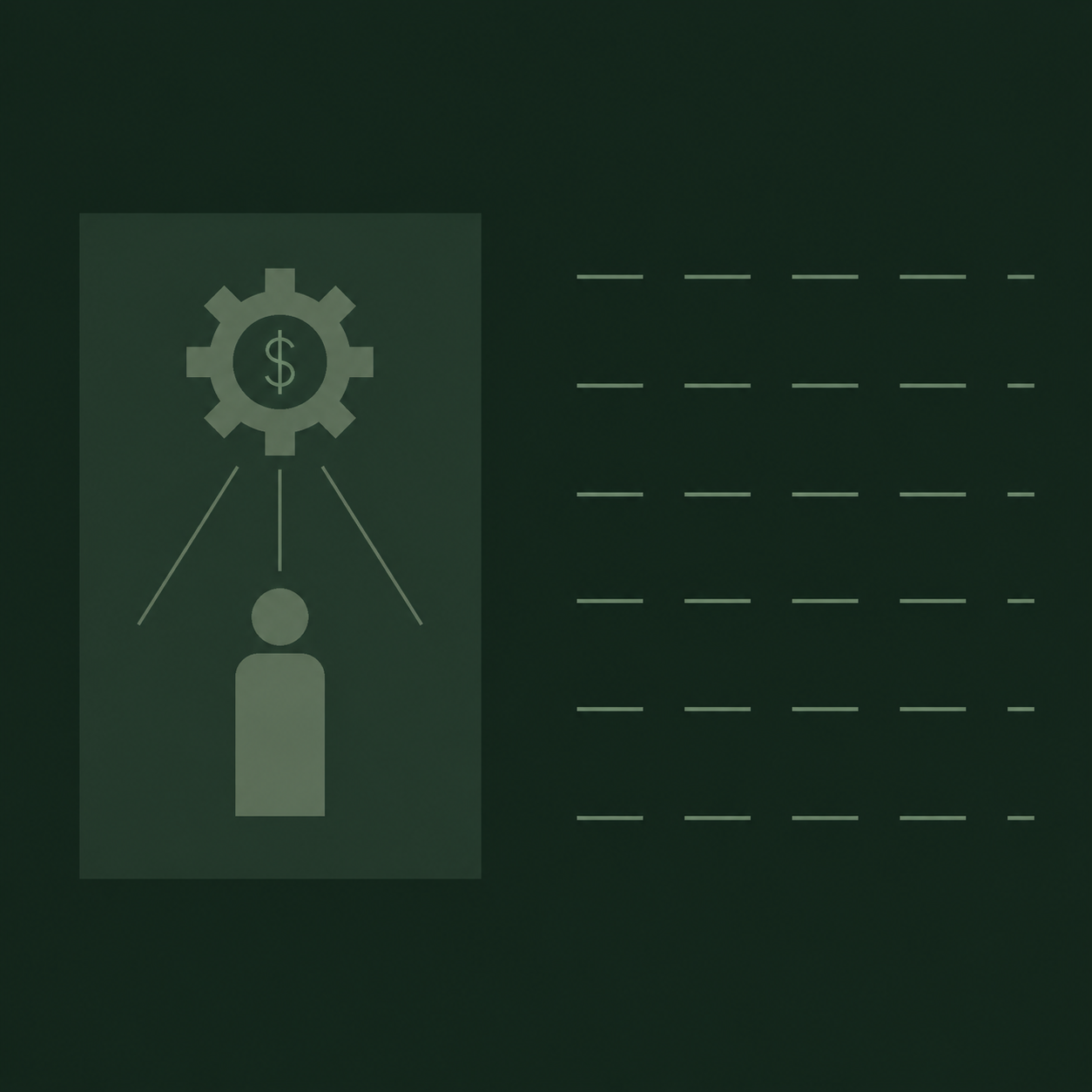
This is why the welfare state cannot be treated as an optional supplement to capitalism. It is one of the ways society protects people from the logic of the firm. A company is not organised to maximise human security. It is organised to maximise return. Labour enters that calculation as a cost, even when managers use warmer language. Wages are costs. Healthcare is a cost. Paid leave is a cost. Pensions are a cost. Safety is often treated as a cost until law, unions, liability, or public pressure makes neglect more expensive.
The worker is therefore always partly in the way of the calculation. The firm needs labour, but it also needs to discipline, cheapen, replace, monitor, or automate labour wherever possible. This does not mean every employer is cruel. It means the institution has a logic. If care, health, housing, education, unemployment protection, and old age are left entirely inside that logic, human life becomes dependent on whether protection is profitable.
That is why some form of welfare state is not sentimental. It is structural. It sets a floor beneath workers who would otherwise have to bargain for life’s necessities from a position of need. It says that health, food, shelter, education, and survival cannot depend only on a company’s cost calculation.
The problem with the trillionaire is not only that he has too much. It is that a society which produces him often tells everyone else to accept insecurity as realism.