Two Countries, Neither of Which Believes the Other Will Fight
Two Countries, Neither of Which Believes the Other Will Fight
Two Countries, Neither of Which Believes the Other Will Fight
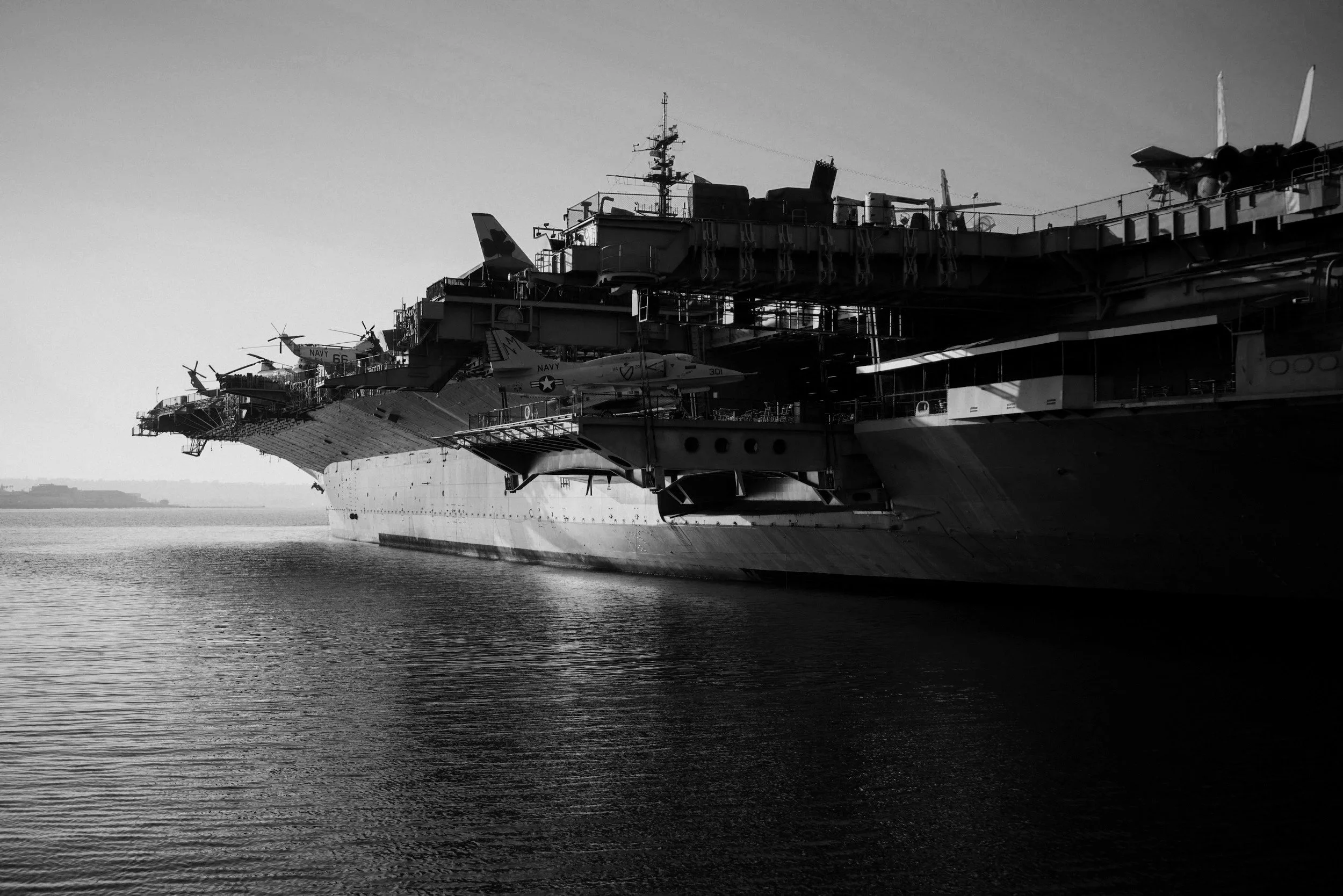
Two aircraft carrier strike groups sit in the Persian Gulf. Reconnaissance and refuelling jets are massing across the Middle East. On Thursday, American and Iranian negotiators meet in Geneva in what is being called a last chance to find a way out before a strike is ordered.
Washington looks at Iran and sees a country that should fold. Last June, Israel launched a twelve-day war that battered Iran's nuclear and military sites and killed a string of senior military commanders within hours. Sanctions have driven the economy deeper into crisis. In January, the government used deadly force to crush nationwide protests calling for the supreme leader's removal. The administration's lead negotiator, Steve Witkoff, said the president is "curious as to why they haven't" capitulated.
Tehran looks at the same facts and draws the opposite conclusion. The clerics who run Iran believe that giving in — zero enrichment, limits on their missiles, cutting ties with allied militias — would not ease the pressure but invite more of it. Ayatollah Khamenei said in 2024 that America's problem is not with nuclear energy or human rights but "with the very existence of the Islamic Republic." Ali Vaez, the Iran director of the International Crisis Group, has put the calculation plainly: submitting to American terms is, in Tehran's view, more dangerous than absorbing another American strike.
One side believes the other is too weak to resist. The other side believes surrender is worse than war. That is a gap that talks in Geneva may not be wide enough to bridge.