Notebook
Independent essays on geopolitics, political economy, sovereign debt, physical infrastructure, and global economic power.

War Enters the Balance Sheet
Energy shocks from war become balance‑sheet and budget problems rather than battlefields. World Bank downgrades mark long‑term damage. Rich countries absorb costs while poorer ones face deficits and austerity.
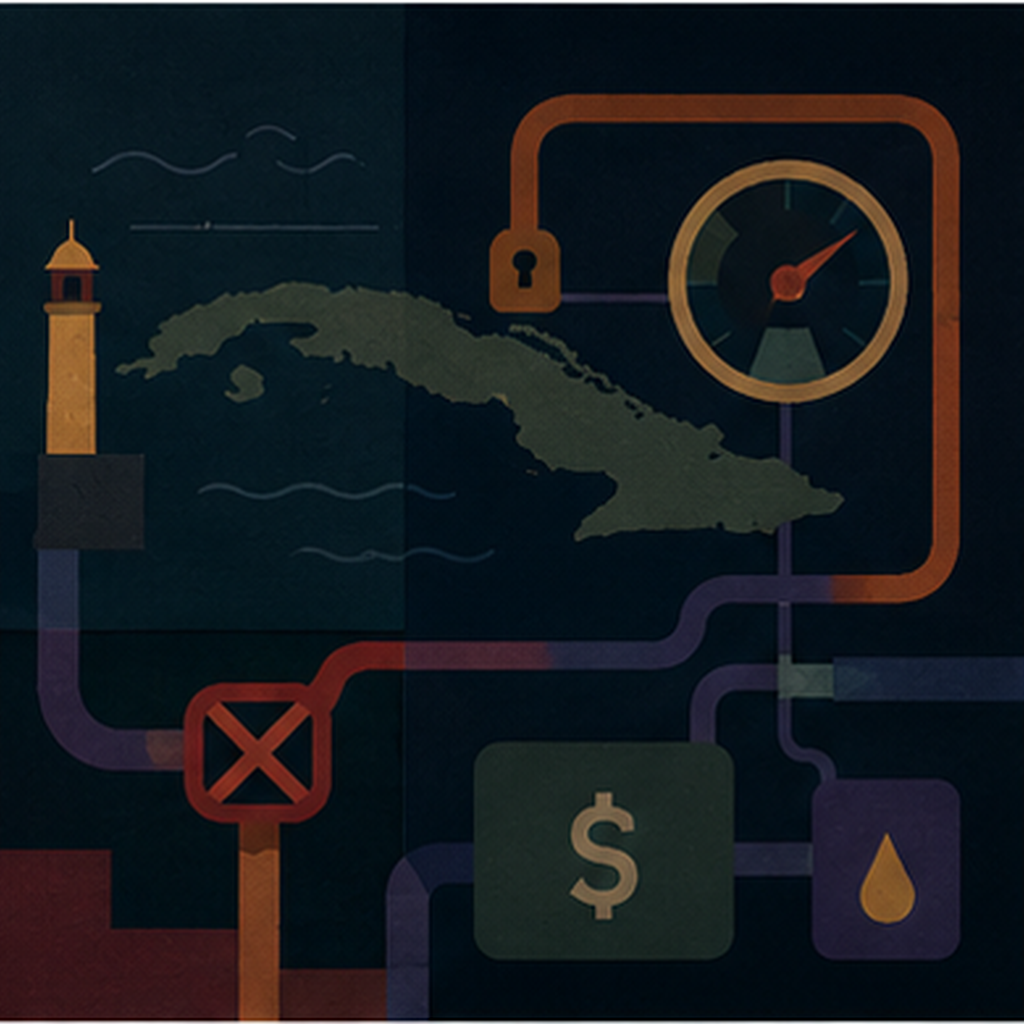
What Trump Is Trying to Prove in Cuba
The essay contends Trump’s sanctions and fuel squeeze on weakened Cuba aren’t about danger but a test of U.S. coercive power, showing Washington can discipline neighbours through oil and finance.

The License as Chokepoint
Tightening export licences turned Chinese battery‑metal supplies into chokepoints. The note shows how the licence itself becomes the weapon, making critical minerals unobtainable and highlighting the urgency of diversification.
The Combatant as Mediator
Trump’s claim to mediate the Iran‑Israel war is mocked: the United States is a combatant, conducting strikes and widening the conflict. Combatants cannot mediate; their rhetoric conceals their role.

When Productive Capacity Becomes Security Strategy
The Pentagon’s list of Chinese military companies now includes tech and EV firms, showing productive capacity itself is being treated as a security target and blurring commercial with military.
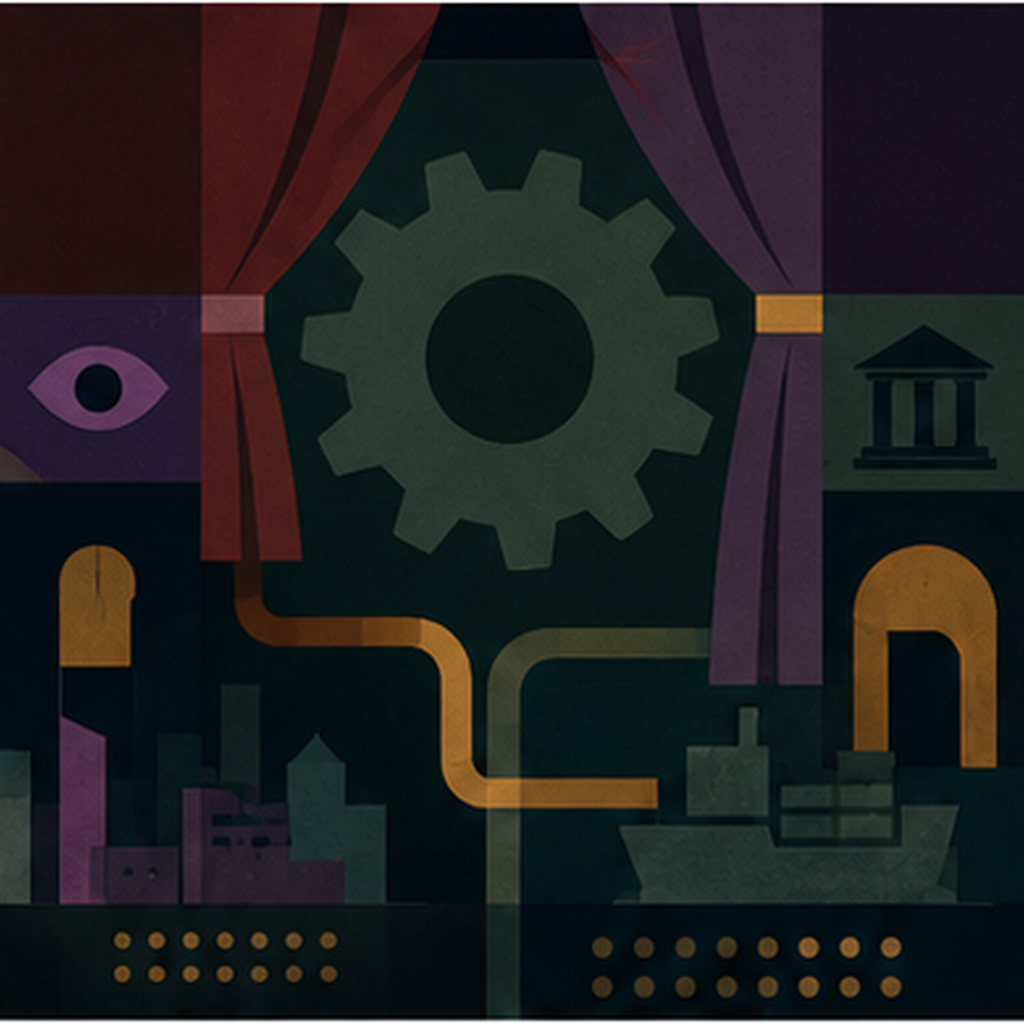
Culturalism and Capital
Amin’s critique frames the essay: culturalism blames poverty on culture, not capitalism. Nationalism across the spectrum naturalises inequality and deflects from structural violence; reinventing universal values is needed to confront capital.
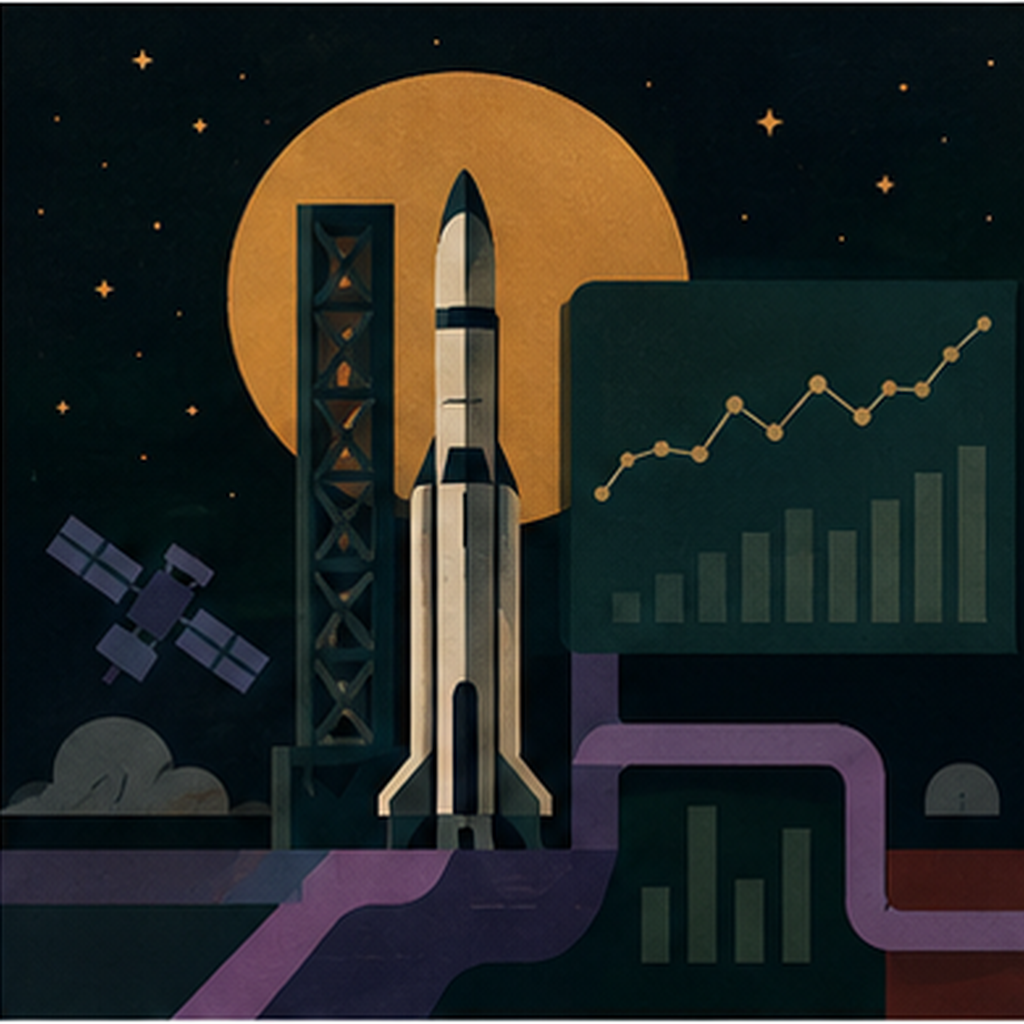
The Mystical Valuation of SpaceX
SpaceX’s planned record IPO values it near $1.75 trillion despite heavy losses; investors price Musk’s visionary myth, surrender control and treat the offering as existential escape rather than rational finance.
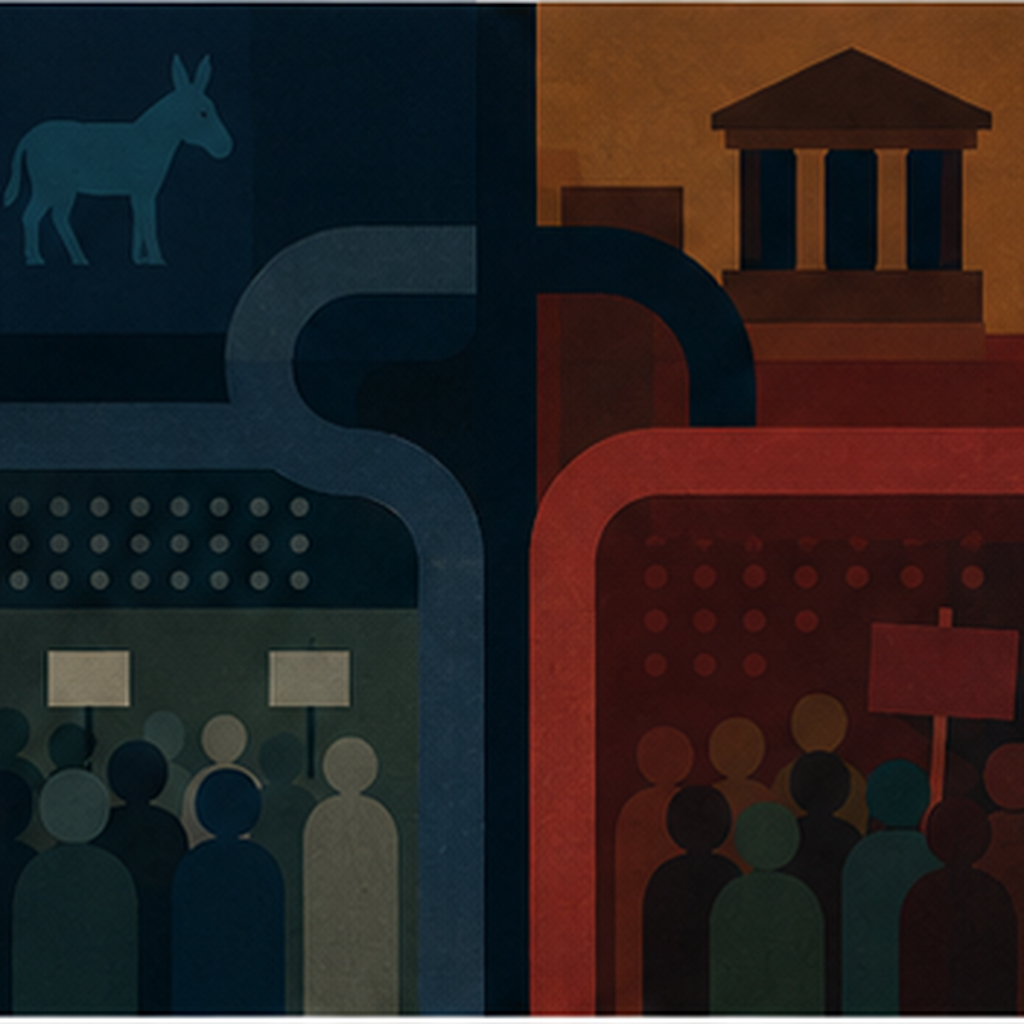
The Party After the Party
The essay argues the Democratic Party is splitting: the old donor‑driven wing clings to moderation, while a new left rooted in rent, debt and Gaza demands economic change and accountability.
Trump cuts will kill
Trump’s planned cuts to USAID, PEPFAR and Medicaid will translate into malaria, HIV and maternal deaths. Bureaucratic talk of “efficiency” masks the reality: slashing aid will kill people.

The War in the Sentence
Washington insists the Iran war is over even as Hormuz remains threatened and oil spikes. The note contrasts this declaration of peace with realities in shipping lanes and markets.

When a Majority Feels Itself Becoming a Minority
Census projections show whites will be a minority. Status‑loss fuels anti‑democratic sentiment and immigration hardliners, raising the question: what happens when a majority feels itself becoming a minority?
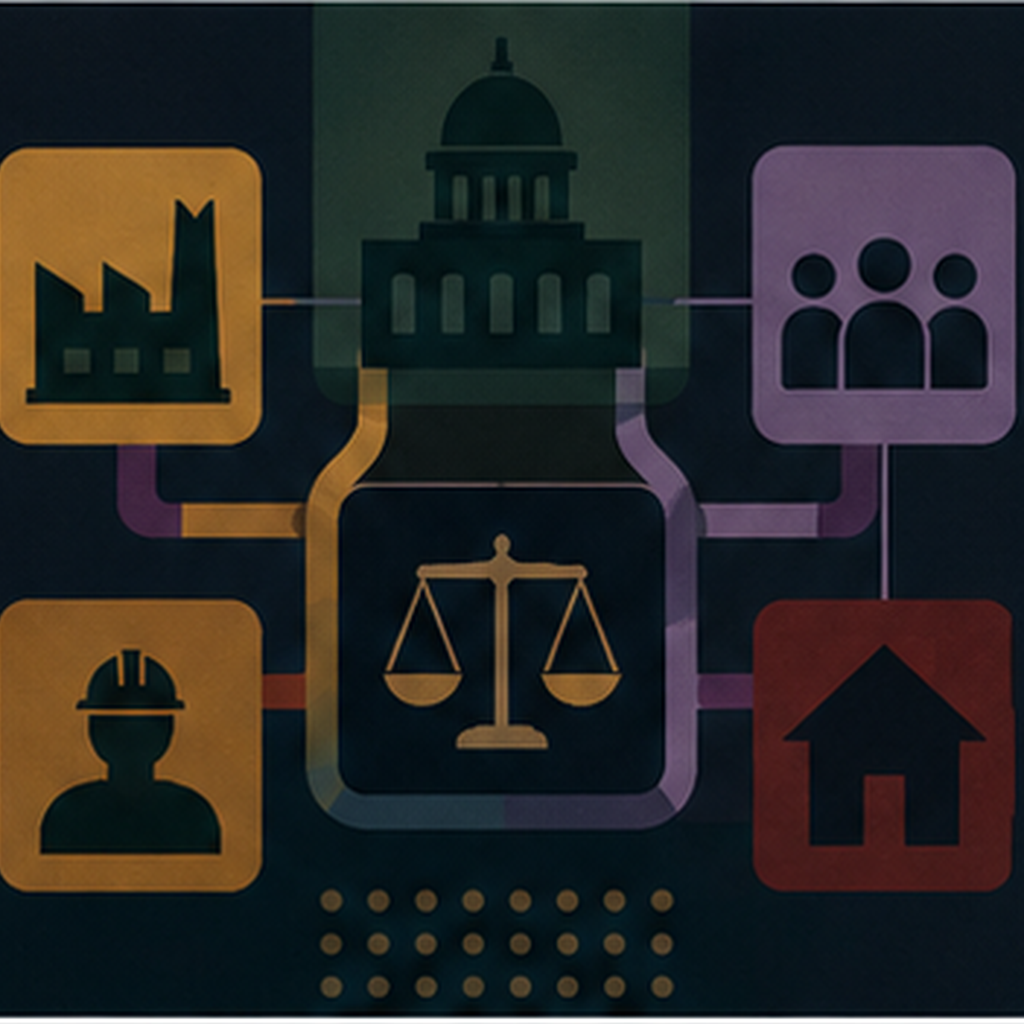
What Political Economy Is, and Why It Matters
The essay insists the economy isn’t a natural machine but a human order shaped by laws. Political economy keeps money and power together and asks who benefits and who pays.

Oil and the Cost of Passage
After threats in the Strait of Hormuz, oil prices spiked. The note says the real story is the cost of passage—narrow waterways, naval power, insurance and risk—not simply the price.

Marx and the spectre.
The note recalls Marx’s observation that “Communist” began as a smear and concludes that when labels like “woke” or “fascist” silence debate, the answer is to publish openly.
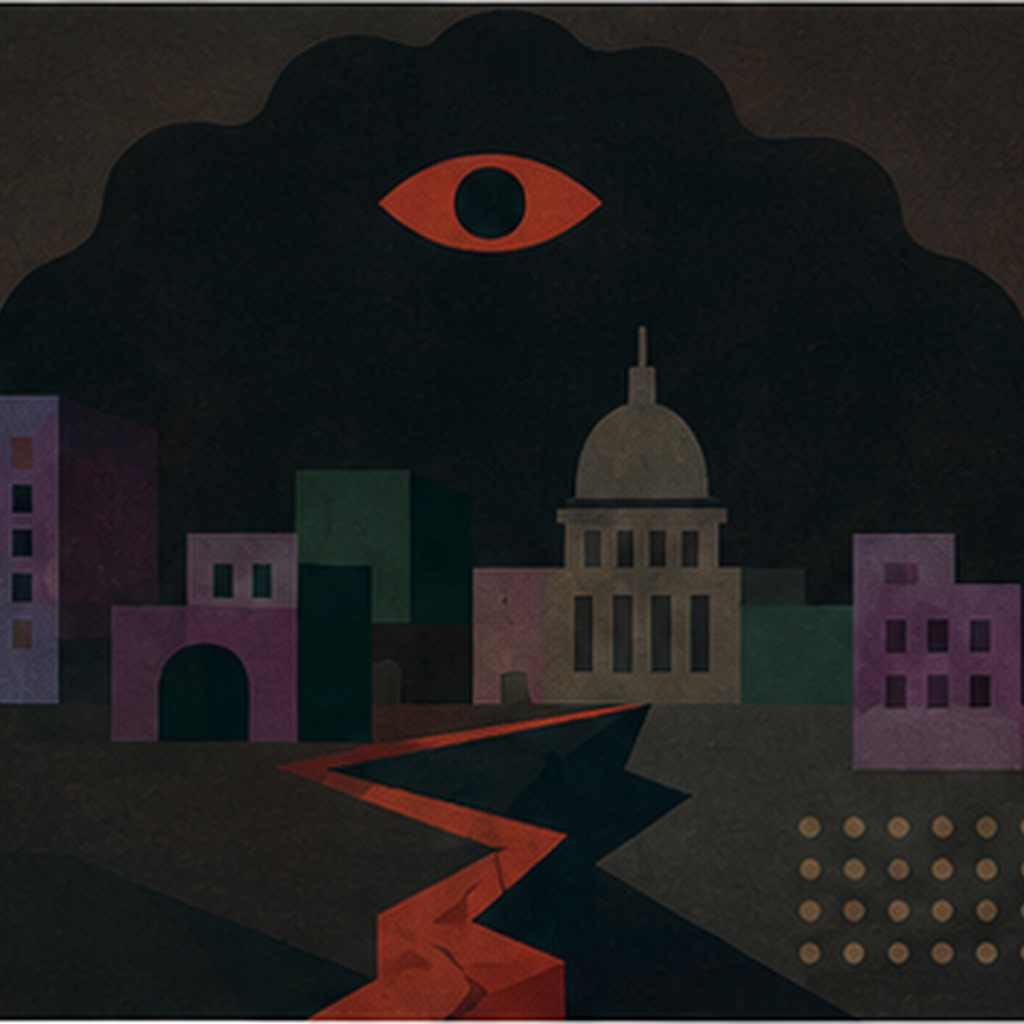
Steinbeck on Monsters
Invoking Steinbeck’s “monsters born to human parents,” the essay laments leaders who starve and bomb children in Gaza, Iran and Ukraine while spending on war and neglecting food and medicine.
Trump and Iran
The note exposes the hollowness of Trump’s “ceasefire” claim: U.S. forces bombed a girls’ school, blockaded ports and issued threats; there is no ceasefire, only rebranded war.

The Pope’s Words
The note praises Pope Francis’ Cameroon speech condemning those who use religion to justify war. Contrasting billions spent on bombs with scarce healing funds, he called for conscience and care.

Politicians say nothing
This essay lambasts Starmer and Macron’s empty Iran‑war rhetoric: they promise a “multilateral” mission to reopen Hormuz only after Trump ends the war, taking no action as Gaza suffers.

The American project.
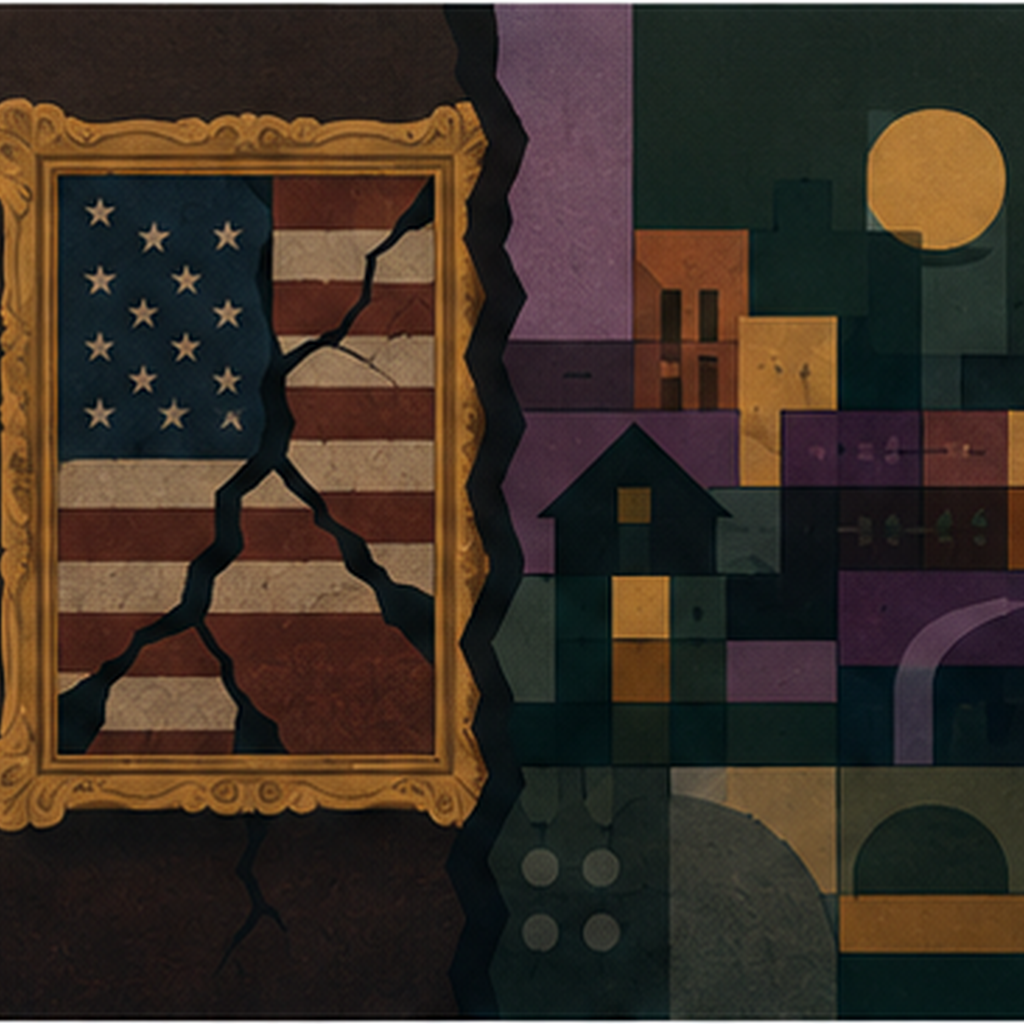
The note argues the American project is fracturing; Trump widened cracks but successors will exploit them. Institutions decay and only patient, long‑term work, not quick fixes, can repair the tear.
There Was No Golden Age
Referencing Weyl, the essay rejects myths of a bygone golden age, saying Trump’s MAGA exploits nostalgia and scapegoating and lets people ignore past injustices and avoid thinking about building future.