Notebook
Essays and notes on political economy, books, history, and the forces that shape how people live.

The Fingerprints of Shortage
The reopening of the Strait of Hormuz does not mean the oil crisis simply disappears. It means the crisis changes shape.

War Enters the Balance Sheet
Energy shocks from war become balance‑sheet and budget problems rather than battlefields. World Bank downgrades mark long‑term damage. Rich countries absorb costs while poorer ones face deficits and austerity.
The Combatant as Mediator
Trump’s claim to mediate the Iran‑Israel war is mocked: the United States is a combatant, conducting strikes and widening the conflict. Combatants cannot mediate; their rhetoric conceals their role.

When Productive Capacity Becomes Security Strategy
The Pentagon’s list of Chinese military companies now includes tech and EV firms, showing productive capacity itself is being treated as a security target and blurring commercial with military.
Steinbeck on Monsters
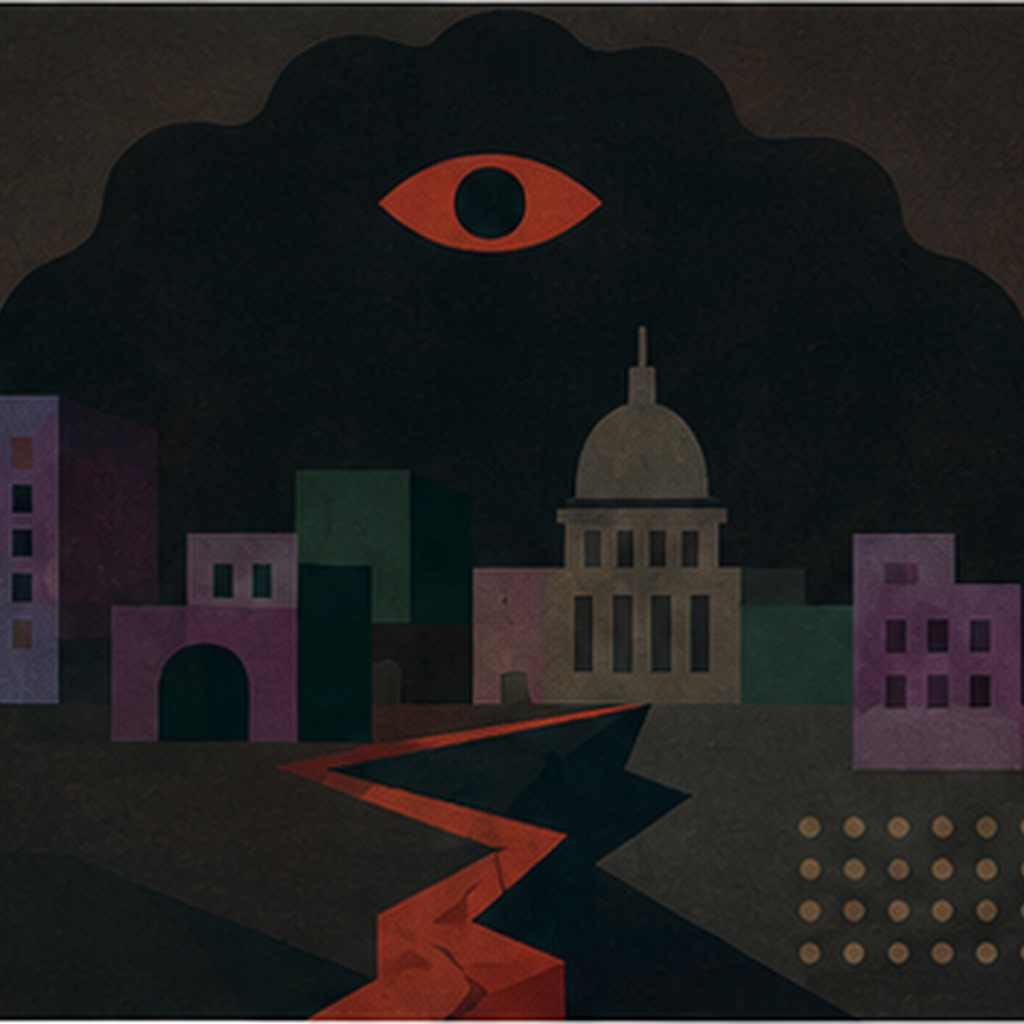
Invoking Steinbeck’s “monsters born to human parents,” the essay laments leaders who starve and bomb children in Gaza, Iran and Ukraine while spending on war and neglecting food and medicine.

Trump and Iran
The note exposes the hollowness of Trump’s “ceasefire” claim: U.S. forces bombed a girls’ school, blockaded ports and issued threats; there is no ceasefire, only rebranded war.
The Strait and the Trap
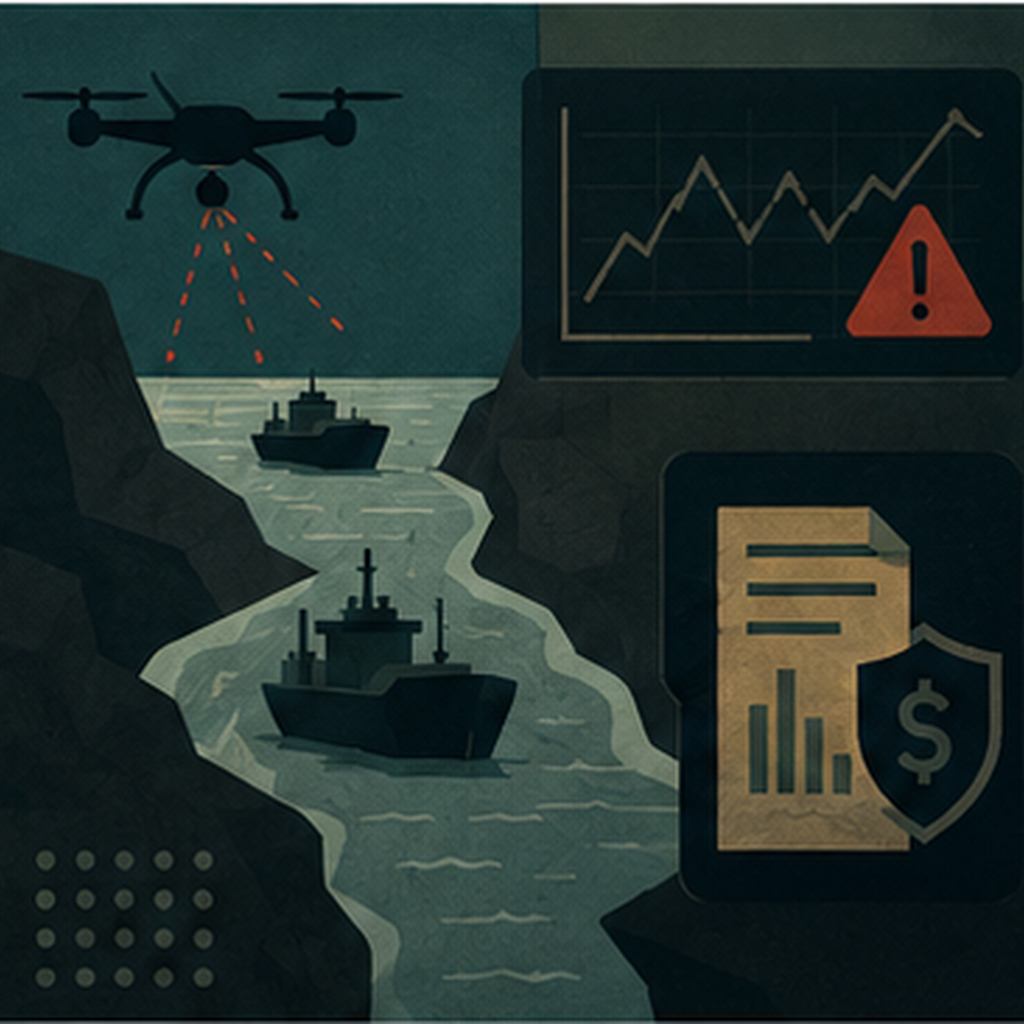
Invoking Thucydides, the essay shows Iran’s harassment of ships in the Strait of Hormuz turned insurance risk into strategic leverage after US‑Israeli strikes, revealing a structural trap beyond military strength.