Children Under Cold Skies
I read the UNICEF report about Gaza dated 5 February 2026. This essay is a retelling of what they reported. I was disturbed, shocked and saddened. All facts are from the report.
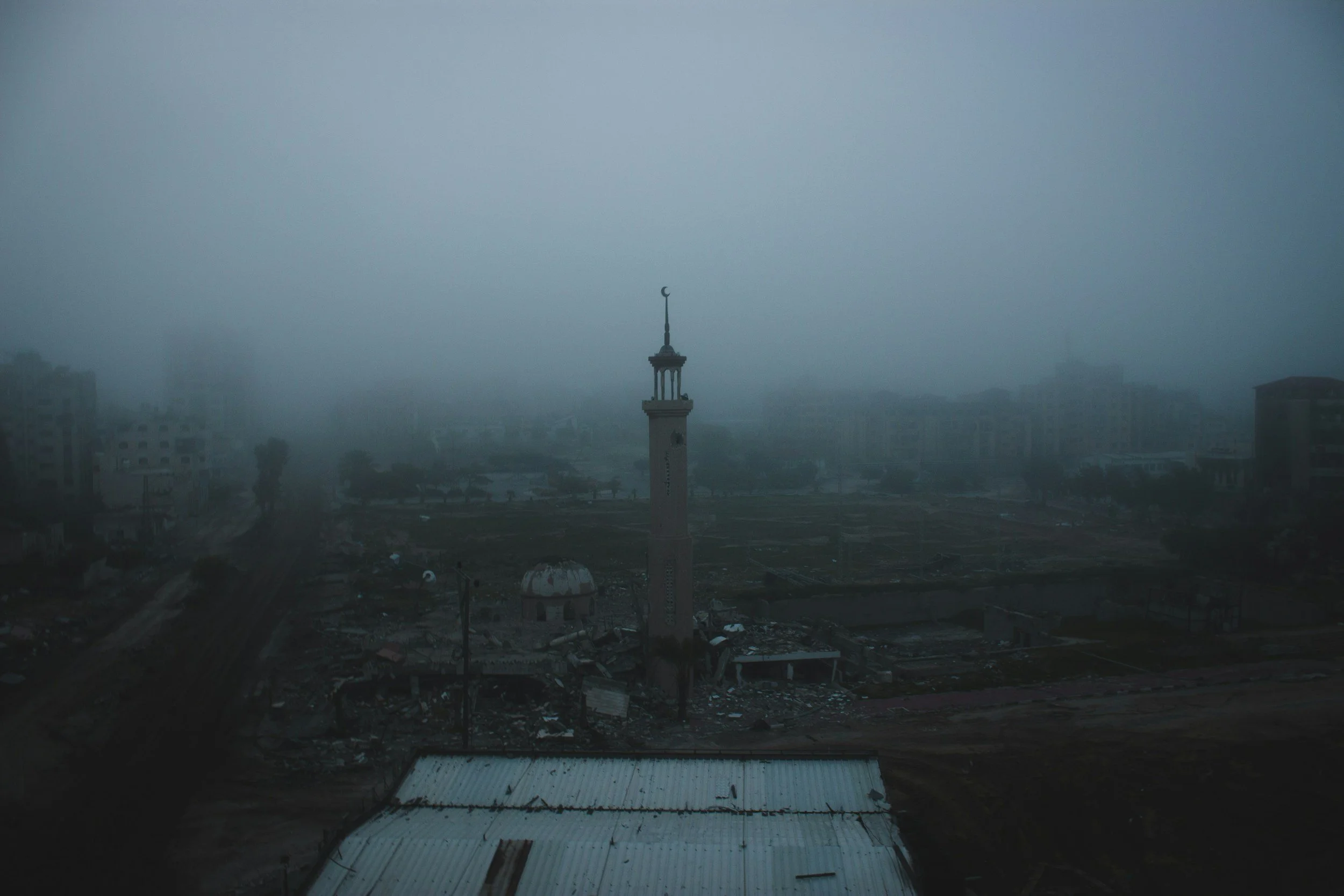
Children Under Cold Skies
Children Under Cold Skies
Since 7 October 2023 until 3 February 2026, 71,803 Palestinians have been reported killed in the Gaza Strip and among them were at least 21,289 children and 171,230 Palestinians were reported injured including 44,500 children. The war did not stop when the ceasefire came on 10 October 2025. From that date until the end of the year, 529 Palestinians were killed and more than 120 of them were children and 1,184 Palestinians were reported injured. Air strikes continued and fire came along what is called the Yellow line and children kept dying.
The winter brought cold and the cold brought death of a different kind. At least 11 children died from hypothermia this winter. One was two months old. Another was one year old. They died because they had no shelter that could keep them warm.
No hospital in the Gaza Strip is fully functional now and half of the hospitals still standing are partly functional and that is 18 out of 36 and the rest cannot operate at the level needed to save lives. Among the primary healthcare centres, three out of 200 work fully and 93 work partly. The rest do not work at all.
The most common illnesses are respiratory infections and acute watery diarrhoea and skin infections. Respiratory infections are rising and some cases are severe enough that children need to be hospitalized. But there are not many hospital beds left and not many hospitals that can take them.
Preterm and low birthweight deliveries have sharply increased and in some hospitals roughly one in five newborns needs intensive neonatal care and thermal care. The mothers are malnourished and under chronic stress and they receive limited antenatal care and the pregnancy outcomes are worsening because of this.
The humanitarian health missions that try to operate inside the Gaza Strip face regular access restrictions and mission denials and damaged road networks and limited warehouse capacity. They cannot bring in basic supplies and medical equipment. They cannot bring respirators or ventilators or incubators.
The infrastructure for water and sanitation and waste management is extensively damaged and there are restrictions on bringing in supplies and the hygiene conditions are poor and the harsh winter conditions make everything worse and almost the entire population of the Gaza Strip is exposed and vulnerable to public health risks now.
The health crisis is not driven by one shortage but by a convergence of hazards. Services have collapsed and there are critical supply impediments and restrictions on international non-governmental organizations and some have been de-registered. The water is unsafe and sanitation is poor and the shelters are overcrowded and winter exposes people to the cold. These conditions together accelerate the transmission of communicable disease and compromise maternal and neonatal outcomes and overwhelm a care capacity that is already severely reduced.
The widespread destruction of health facilities and the overcrowded and unsanitary living conditions have led over the past two years to outbreaks. There is diarrhoea and hepatitis A and acute respiratory infections. There is circulating vaccine-derived poliovirus type 2. This strain of polio was eliminated in the Gaza Strip 25 years ago and now it has returned. Malnutrition and illness compound one another and infections that would be common and treatable become life threatening for young children.
All children in Gaza need mental health support and psychosocial support services after two years of war and displacement and exposure to traumatic events. More than 11,000 children have serious injuries that will require long-term rehabilitation and will likely lead to permanent disabilities. Another 4,000 children need urgent medical evacuation for advanced care that is not available within the Strip. This shows how completely the health system has collapsed.
UNICEF worked with the Palestinian Ministry of Health and the World Health Organization and the United Nations Relief and Works Agency to support a 10-day second catch-up immunization round for children under three years and the round covered all Gaza governorates. Vaccines and cold chain supplies were positioned in advance. The campaign ran through 129 fixed sites and seven mobile teams. There were 175 vaccination teams and 250 community mobilizers helped families find the nearest vaccination point and bring their children safely.
The campaign reached 15,689 children under three in nine days and that is about 87 per cent of the total target of 17,892 children. This exceeded the reach of the first round which had reached 14,288 children. Among those vaccinated, 12,719 children are now up to date with their routine immunizations. That is about 81 per cent of those vaccinated.
The teams found and vaccinated 2,901 children who had missed earlier appointments. These are called defaulters. Finding them reduced the pool of unprotected children. Among the defaulters, the teams gave 1,541 polio doses and 1,426 rotavirus doses and 1,395 measles and mumps and rubella doses. These doses close immunity gaps against paralysis and severe diarrhoea and the three diseases in the MMR vaccine.
The teams identified and vaccinated 60 zero-dose children and these are children who were receiving their very first vaccine and finding them is a critical step to prevent outbreaks in crowded settings where disease spreads fast and children live close together in tents and damaged buildings.
Services were delivered through a mixed network of fixed and mobile points so caregivers in displacement sites or damaged neighbourhoods could find a nearby option the same day. The network of 253 community mobilizers engaged with local influencers to build trust. They reached over 5,200 religious and community leaders and over 323,000 caregivers. They increased awareness about the vaccination campaign and identified defaulters and removed access barriers and provided reminders and directions and supported the safe and timely vaccination of all eligible children including the most vulnerable.
In every neighbourhood of the Gaza Strip, from Rafah's crowded shelters to the narrow alleys of Gaza City, parents spent days making the same choice. They brought their children for vaccination. Behind that simple act was one of the largest community engagement efforts UNICEF has led in the Strip and the goal was not only to inform but to listen and guide and support families through the uncertainty of displacement and cold weather and disrupted services so that every child under three could stay healthy.
For many caregivers, their first source of information was a voice they already trusted and it was the UNICEF-supported social mobilizer who visits their area week after week. In the first five days alone, 95 per cent of caregivers said they had heard about the campaign. They heard through door-to-door visits and mosque announcements and radio jingles and social media messages and vehicles with loud public-address systems and megaphones echoing through damaged streets. Banners marked clinic entrances.
The 253 mobilizers and coordinators and supervisors walked from tent to tent and shelter to shelter. They conducted more than 2,100 community engagements. They reached over 204,000 caregivers and 116,000 of them were women. They answered questions and addressed fears and referred children who had missed their doses and they guided more than 2,770 defaulters and 57 zero-dose children to vaccination points, each one personally accompanied to a place where they could be protected. In some areas, mobilizers carried tape measures and MUAC bands for screening malnutrition. They screened 703 children and identified those needing follow-up including children with disabilities.
UNICEF also restored essential life-saving paediatric intensive care services at Al Shifa Hospital in Gaza City and seven hospital beds have been re-established and equipped with ventilators and monitors and oxygen delivery systems. Together with the four life-saving paediatric intensive care unit beds at the Patient Friendly Hospital, the number of PICU beds now reaches 11. This is in addition to the 55 neonatal intensive care unit beds that UNICEF established in 2024.
An additional seven UNICEF-supported nutrition facilities were established in January and that brings the total to 203 and this scale-up strengthened the life-saving nutrition response by improving access and timeliness for vulnerable children and pregnant and breastfeeding women, particularly in hard-to-reach areas where families have been displaced multiple times and where roads are damaged and where services were already weak before the war.
UNICEF launched a Gaza-wide Back to Learning campaign and managed to bring recreational kits to the Gaza Strip for the first time in over two years. Since 15 January, 5,168 recreational kits have entered the Strip. These kits support more than 375,000 children and 1,000 of them are children with disabilities.
UNICEF and partners are supporting over 135,000 children to resume learning through temporary learning centres and these centres provide mental health and psychosocial support and connect children to nutrition and child protection and health and sanitation services, giving them a place to go during the day and giving them structure in lives that have been broken by war and displacement.
UNICEF's Humanitarian Action for Children appeal for 2026 requires 673.8 million US dollars to meet the urgent needs of children and their families. As of now, only 1.4 per cent of the appeal is funded. UNICEF urgently requires an additional 664.6 million dollars to scale up life-saving assistance.